Science and Research
Rigorous and Applied Scientific Research on Salmon Ecosystems
Knowledge is Power
Science is the foundation of our work. We have a dedicated team of reputable Scientists who’s work is to strengthen salmon populations to ensure they are around for the long haul.
We not only explore the past to better understand how salmon populations and their habitats have changed, but we also apply lessons learned to forecast how salmon will respond to future change. We are actively identifying new habitats for salmon as glaciers melt and rivers become more suitable and are proactively pursuing their protection.
In addition to ongoing fisheries and Wild Salmon Policy related projects, we have five core science programs underway:
↠ A Century of Change in Abundance, Diversity, and Climate Response
↠ Rebuilding Diminished Populations
↠ Safeguarding Genetic Resilience
↠ Conservation Policy and Management
↠ Salmon’s Future
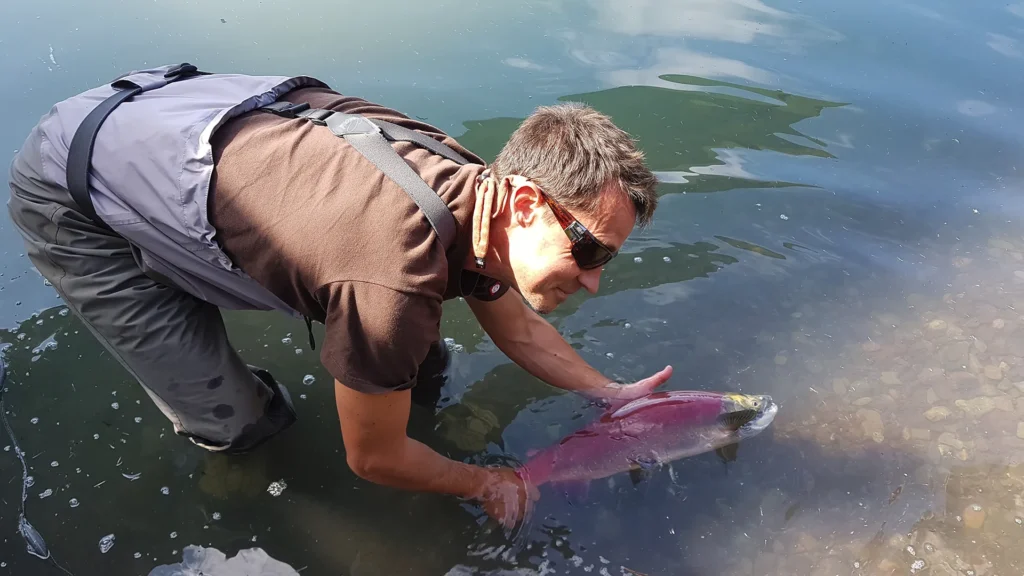
A Century of Change in Abundance, Diversity, and Climate Response
Understanding Long-Term Trends in Skeena Sockeye
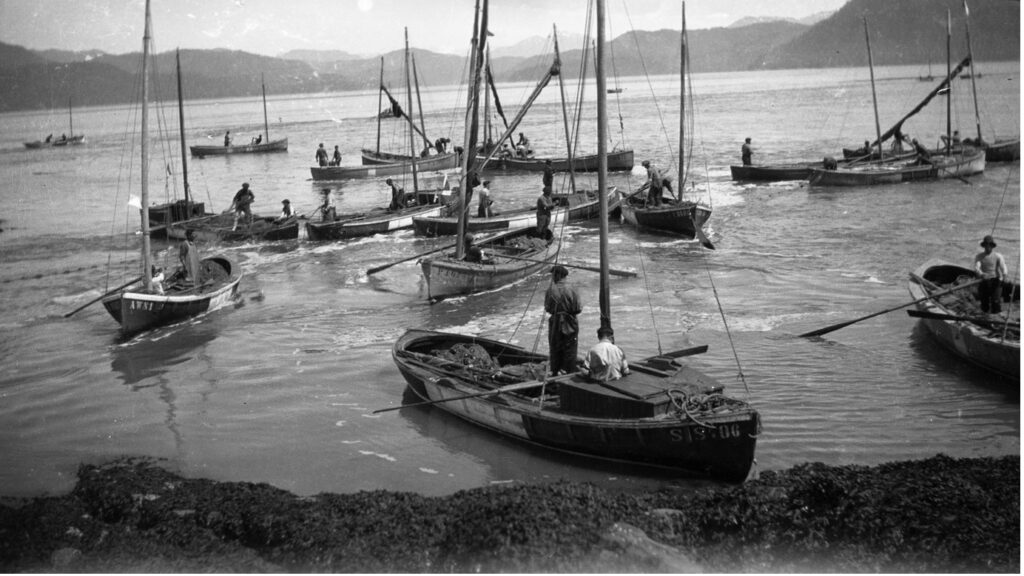
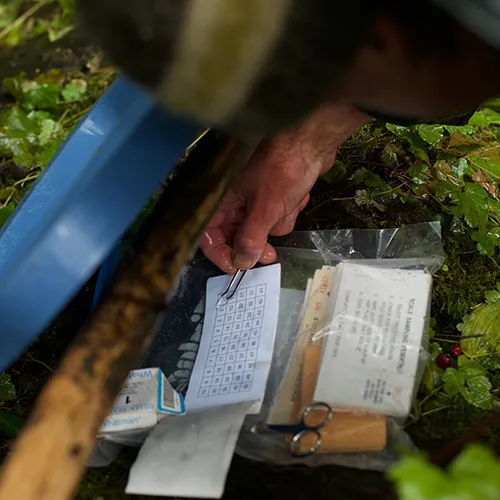
This program synthesizes a century of data from archived fish scales to examine changes in the abundance, diversity, and climate responses of wild sockeye salmon populations across the Skeena watershed. Our peer-reviewed research emerging from this work documents substantial long-term declines in population abundance and diversity, while also revealing important differences in how individual populations have responded to environmental change over the last century.
A key finding from this research is that salmon responses to a warming climate are strongly shaped by the characteristics of their freshwater habitats. Populations rearing in cold, complex, lake habitats have shown greater resilience to rising temperatures, while others rearing in shallow and less complex lakes may have reached or exceeded biological thresholds. Together, these results highlight both the scale of historical loss and the significant potential for rebuilding where high-quality freshwater habitats remain protected or can be restored.
Rebuilding Diminished Populations
Identifying Pathways to Salmon Recovery
SkeenaWild provides scientific support to First Nations fisheries programs – including Wet’suwet’en, Gitxan, Gitanyow, and Ned’u’ten – with the shared goal of bringing more fish back to the river by advancing rebuilding plans for diminished salmon populations across the Skeena watershed. Working in partnership with Indigenous governments, our research helps identify limiting factors, quantify recovery potential, and prioritize actions required to rebuild depleted populations.
Our collaboration with Wet’suwet’en Fisheries has resulted in the implementation of priority research initiatives identified in the Rebuilding Plan for the Morice Sockeye Recovery Unit, which focuses on addressing key knowledge gaps for recovery. In parallel, we are supporting the Wet’suwet’en in the development of a rebuilding plan for Chinook in the Widzin Kwa, extending this approach to another culturally- and ecologically-important species in the watershed.
Safeguarding Genetic Resilience
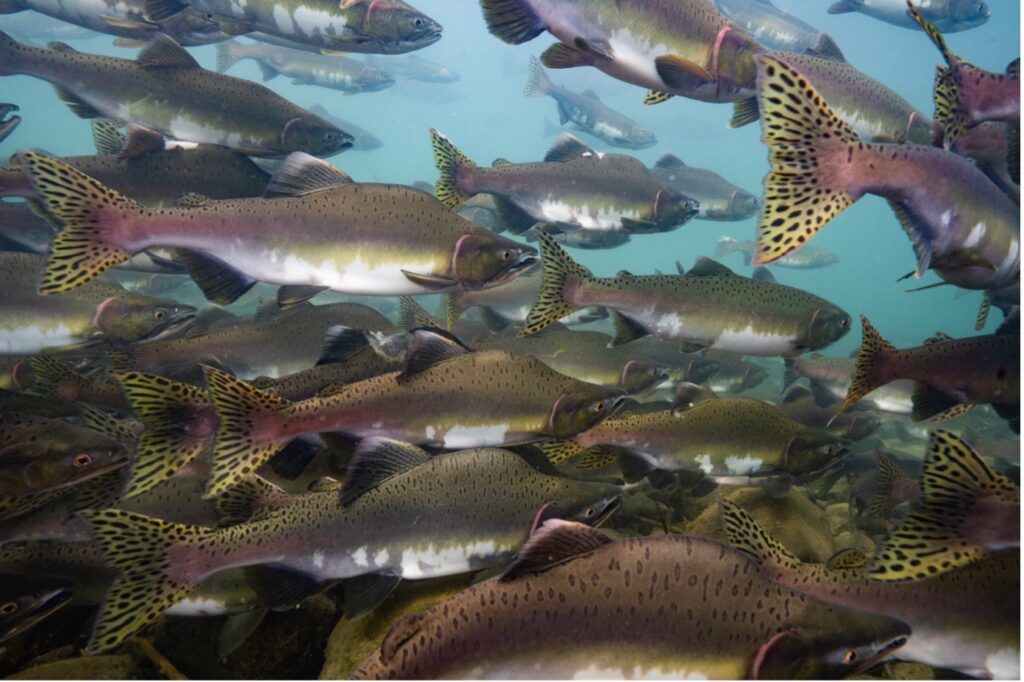
Understanding Long-Term Patterns of Salmon Genetic Diversity
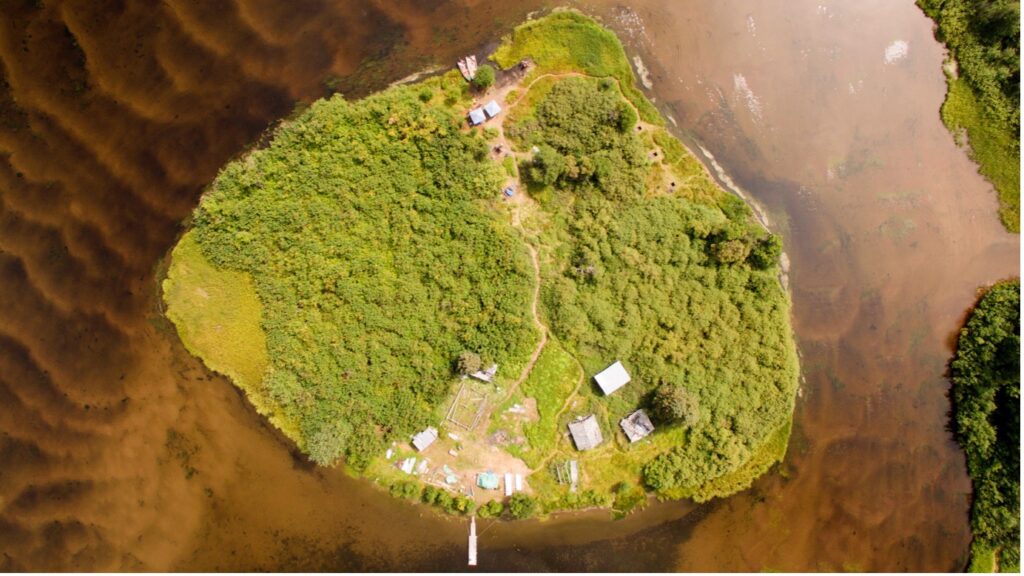
We’re investigating long-term changes in genetic diversity in salmon by analyzing biological material spanning more than 1,000 years. In collaboration with the University of Northern British Columbia and Simon Fraser University, our work examines salmon bones recovered from the ancient processing site of Smokehouse Island in the Babine watershed – samples that date back a millenium – to understand historical patterns of genetic diversity prior to industrial development and modern fisheries.
Preliminary results indicate a substantial decline in genetic diversity of sockeye salmon over the past 1,000 years. To better understand when and how this loss has occurred, the program compares genetic data from three time periods: ancient salmon bones, archived scales from commercial fisheries collected a century ago, and tissue samples from fish returning to spawn in recent years. Together, these comparisons provide a rare, long-term perspective on genetic change.
This research also explores whether large-scale artificial production – such as the long-term operation of spawning channels in the Babine watershed – may have influenced the genetic composition of wild sockeye populations. By placing contemporary genetic patterns in a deep historical context, this program aims to inform conservation strategies that safeguard the genetic resilience necessary for salmon populations to adapt to future environmental change.
Conservation Policy and Management
Evaluating and Informing Canada’s Wild Salmon Policy
We evaluate how salmon conservation policy is implemented in practice, with particular attention to Canada’s Wild Salmon Policy. Through applied research, synthesis, and collaboration with partners, SkeenaWild works to strengthen the connection between policy commitments and on-the-ground conservation outcomes for wild salmon.
A core component of our work has been a broad, collaborative effort to reflect on two decades of experience implementing the Wild Salmon Policy. Dr. Michael Price and Dr Brendan Connors (Fisheries and Oceans Canada) recently initiated a special collection of peer-reviewed papers published in the Canadian Journal of Fisheries and Aquatic Sciences to mark the 20th anniversary of the Policy’s adoption. This collection hosts a diverse range of perspective that examine the successes, limitations, and future directions of the Policy. Building on this collection, SkeenaWild is supporting an upcoming workshop that will bring together scientists, conservation practitioners, Indigenous leaders, and managers to identify practical pathways for improving policy implementation over the next 20 years.
Central to this program is a focus on salmon monitoring – how populations are assessed, how information is used in decision-making, and how monitoring priorities have evolved over time. SkeenaWild’s research examines changes in salmon monitoring and assessment practices over the past 75 years, evaluating how shifts in methods, coverage, and objectives influence our ability to detect population trends, assess status, and support recovery. Read our recent publication here. By identifying where monitoring has improved, where gaps remain, and how current efforts align with policy goals, this work seeks to ensure that conservation policy is translated into effective, evidence-based management of wild salmon.
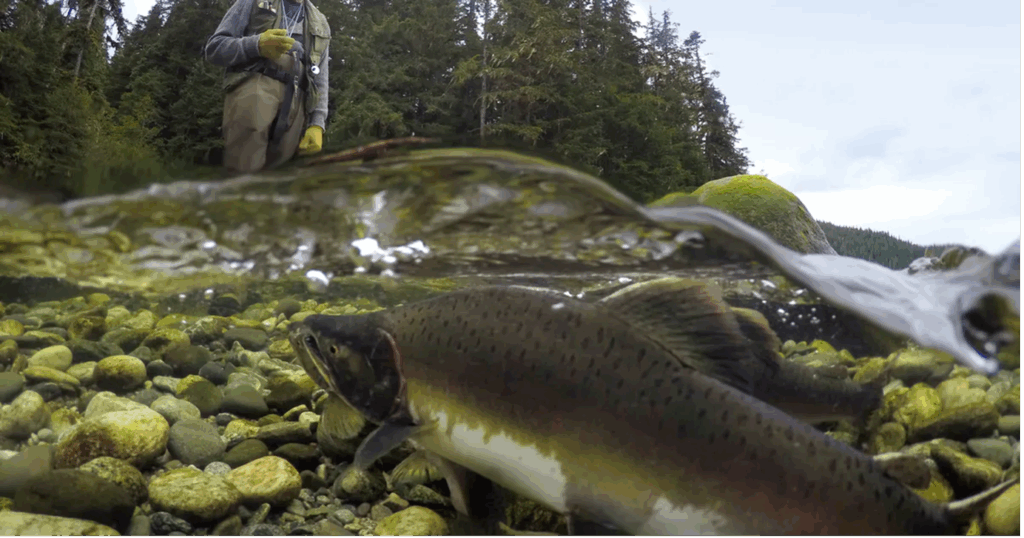
Salmon’s Future
Identifying Climate-Resilient Habitats for Wild Salmon
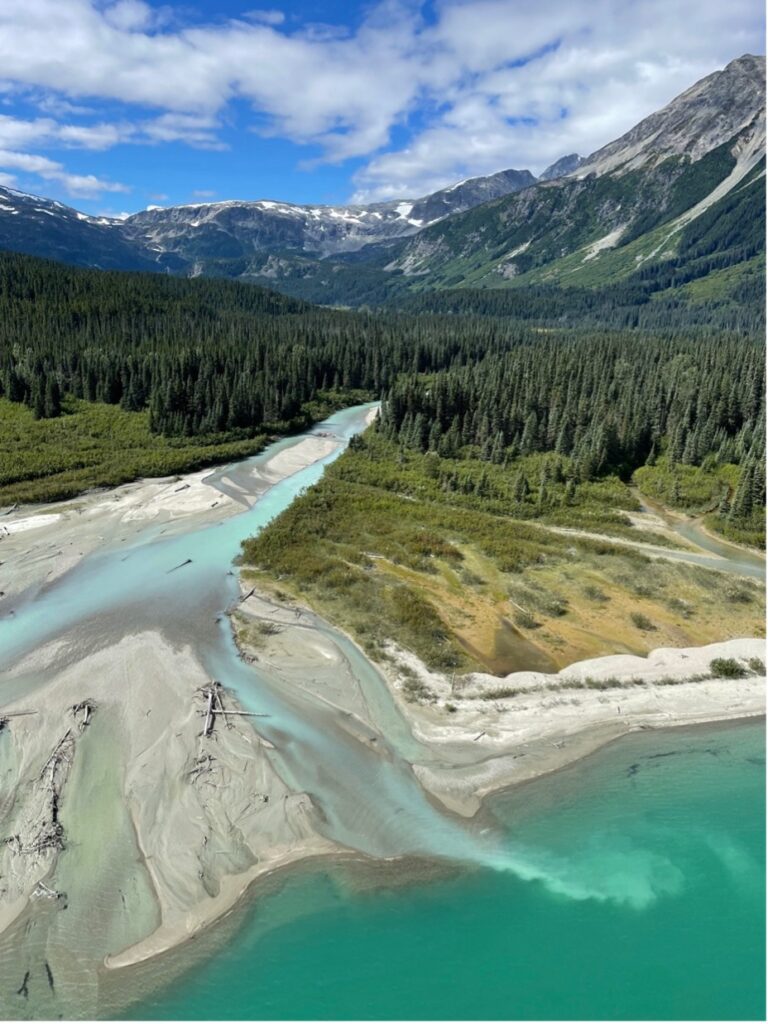
SkeenaWild is partnered with Simon Fraser University and Gitanyow Nation to undertake research exploring the emergence of new salmon habitats influenced by climate change. By examining how salmon populations have responded to past climate and land-use change, this work aims to identify and proactively protect future climate-resilient habitats for wild salmon.
Using a range of scientific tools — including environmental DNA collected from water and streambed sediments – this program monitors the emergence and persistence of salmon populations in newly suitable habitats. In the Upper Widzin Kwa, the identification of emerging salmon habitats has directly informed a Wet’suwet’en-led initiative to expand protection of headwater habitats, translating research findings into concrete conservation action.
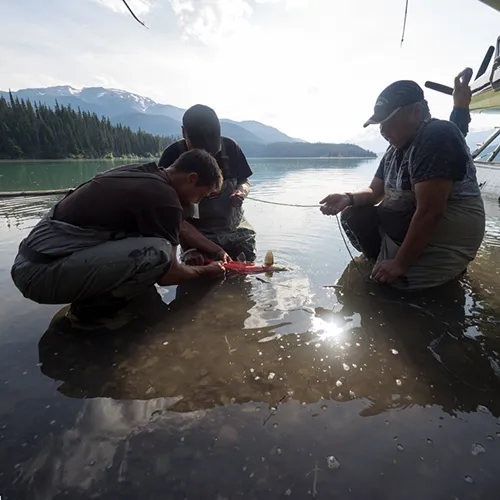
Science & Research Resources
Morice Sockeye Rebuilding Plan
Rebuilding Plan for the Morice Sockeye Recovery Unit Report

M.H.H. Price et al (2021)
Sockeye Century Project
Read or Download:
Genetics of century-old fish scales reveal population
patterns of decline
Michael H.H. Price et al (2019)
Portfolio simplification arising from a century of change in
salmon population diversity and artificial production
Michael H.H. Price et al (2020)
Habitat modulates population-level responses of freshwater salmon growth to a century of change in climate and competition
Michael H.H. Price et al (2023)
Watersheds of Change in Northern Rivers
In March 2023, SkeenaWild partnered with Simon Fraser University to co-host the Watershed of Change in Northern Rivers workshop. The workshop brought together 42 experts and leaders from academia, Indigenous, provincial and federal governments, and non-profits to discuss the science and stewardship of four northern watersheds – the Taku, Stikine, Nass, and Skeena. The inspiration for this workshop was to bring together those working on placebased solutions to the climate crisis and taking action to build climate resilience in salmon watersheds of the north. Discussions and information aimed to weave together watershed science, salmon management, land-use planning, and Indigenous rights.
Read or Download Backgrounder:
Prepared by Jonathan Moore, Michael Price and Emma Griggs
Other News Related to:
Science & Research
-
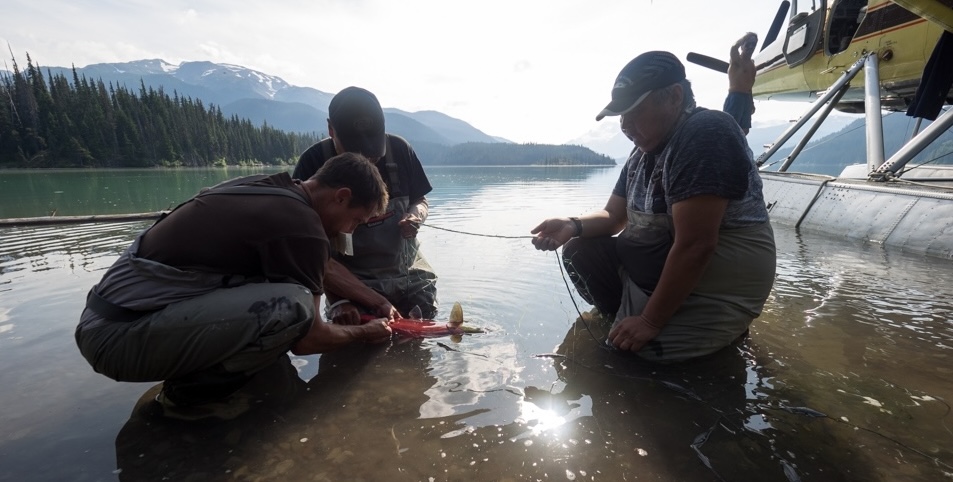
Canada losing track of salmon health as industrial pressures grow
Canada losing track of salmon health as industrial pressures grow New research shows that Canada is steadily losing its ability to monitor the health of…
-
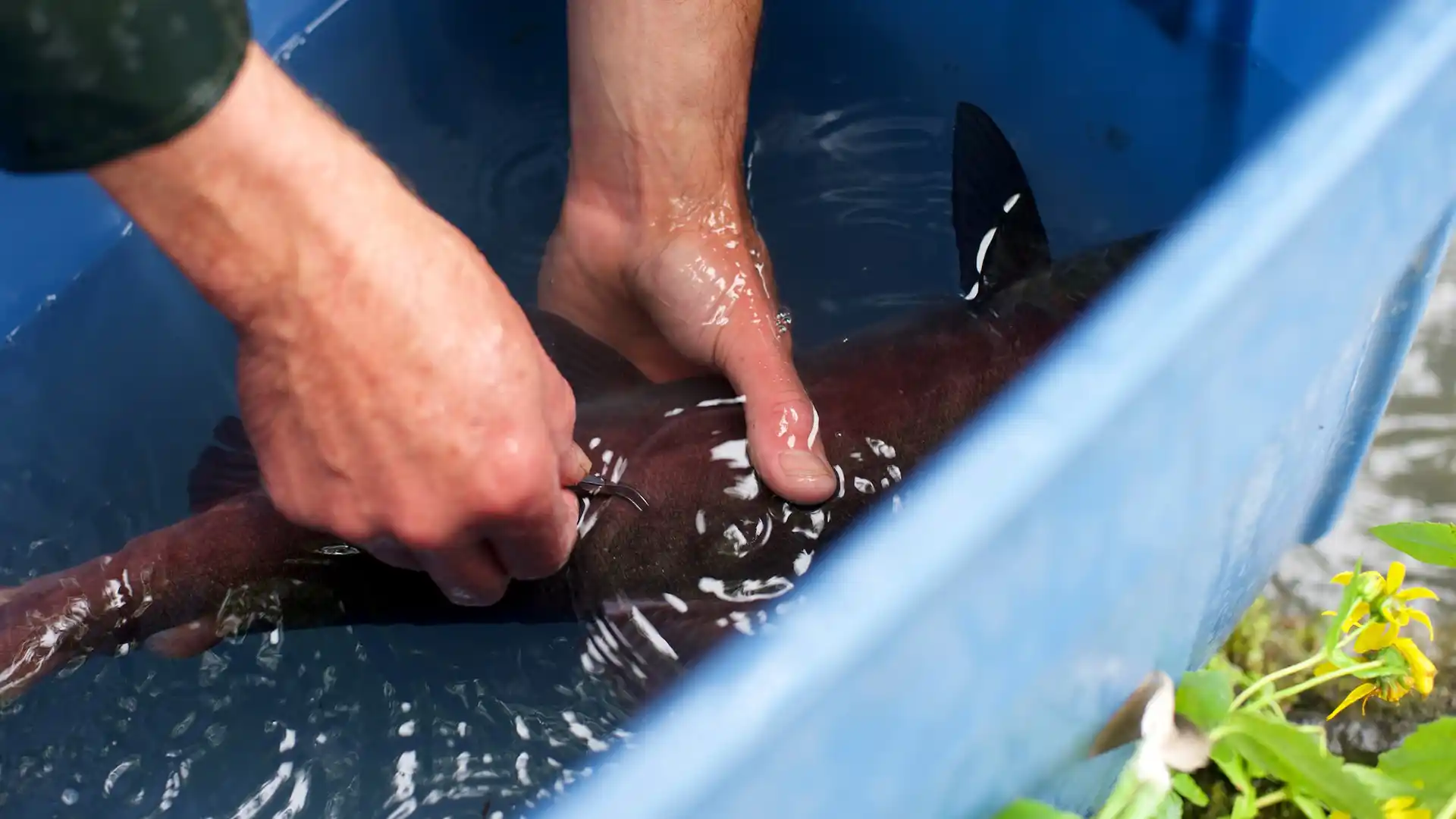
Salmon, The Masters of Adaptation
SkeenaWild’s Director of Science Dr. Michael Price’s latest research with Simon Fraser University goes back in time to look at how salmon have been adapting…
-
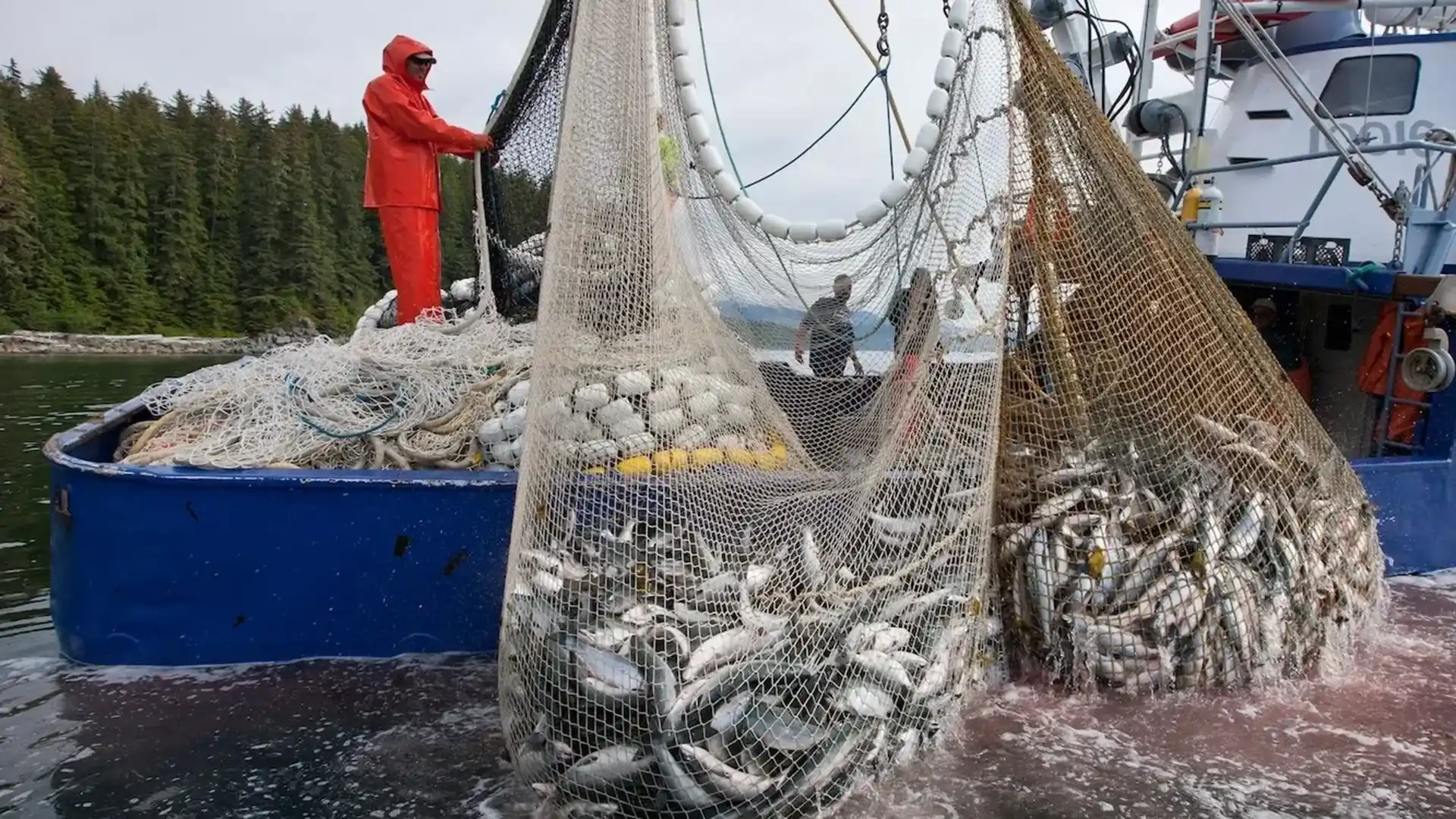
Meanwhile… Alaska is still “steeling” our salmon
While Canadian marine commercial fisheries at the mouth of the Skeena ended on August 3rd in response to a declining in-season return estimate of Skeena…