Sustainable Fisheries Management & Climate Change Solutions
The Science of Now
Adapting to an uncertain future
Climate change is reshaping the future of salmon, along with the people and fisheries that depend on them. In the face of growing uncertainty, it is more important than ever to ensure our fisheries are both sustainable and adaptable. We focus on actionable solutions that balance the needs of people with the health of our ecosystems. Together, we can build a future where both salmon and communities thrive.
How Is Climate Change Affecting Salmon Returns?
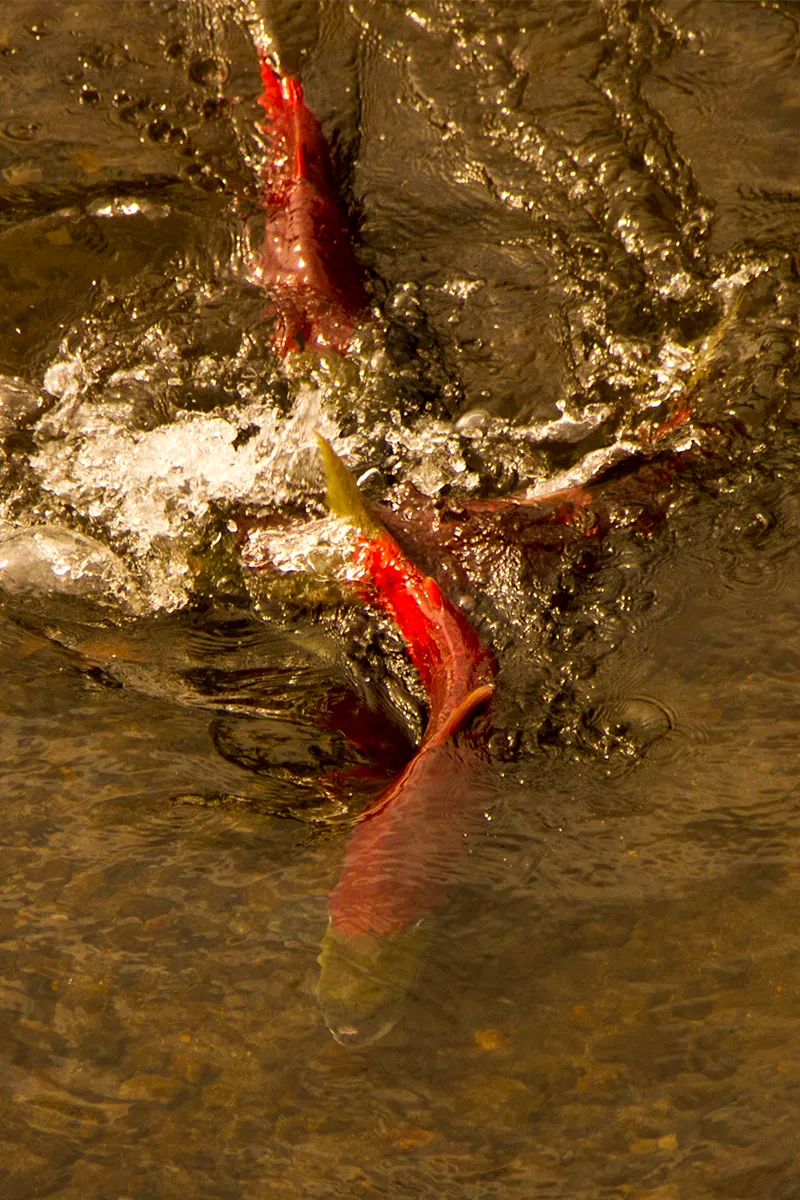
Salmon live intricate lives that span various environments from freshwater to the ocean, both of which are impacted by climate change. Temperatures in the North Pacific ocean have been warm and generally increasing over the last decade, which decreases ocean productivity and the quality of prey food available for salmon at sea, translating to poor growth and survival.
Periods of cooler ocean temperatures, such as the La Niña event of 2020-2023, can increase productivity and lead to better growth and survival for salmon, acting as buffers for the general trend of a warming ocean.
In the Skeena, we are seeing more frequent and intense drought conditions, with low water levels and warm water temperatures in the rivers and streams. Low water levels make it difficult for returning adults to reach spawning grounds, and can result in salmon being stranded in disconnected pools on the edges of rivers. Warm water temperatures are physiologically challenging for salmon and extended periods can cause salmon to die before spawning.
Other climate events can impact survival as well, such as large floods which displace eggs, wash out nutrients and food for young salmon and alter and degrade river habitats. Extreme weather events are projected to be more frequent in the Skeena, which will pose challenges for our fish populations. While these are current challenges, it is important to understand historic and ongoing human impacts. Commercial fishing, artificial enhancement, and habitat degradation have diminished the fine-scale population structure and biocomplexity that would enable salmon to better adapt to climate change.
Climate change is also opening up new opportunities for our salmon, such as new spawning habitats where glaciers have receded, and we are witnessing salmon adapt to the changing environment. Glacier-fed systems tend to maintain cooler water temperatures and will be important habitats for future salmon.
Selective Fishing
Climate Change Series: Drought in the Skeena
Selective Fishing
Climate Change Series: Drought in the Skeena
Sustainable Fisheries Management
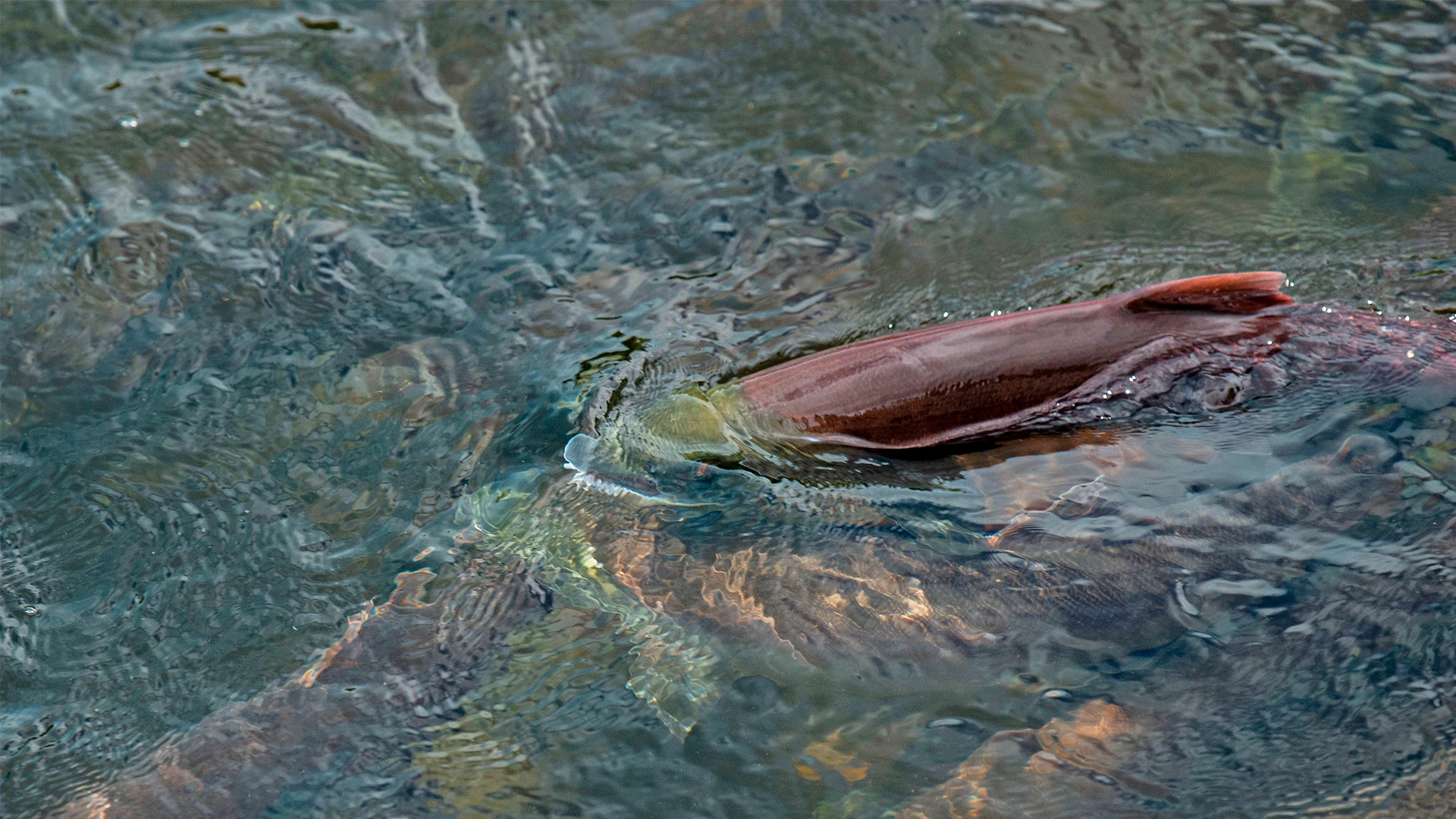
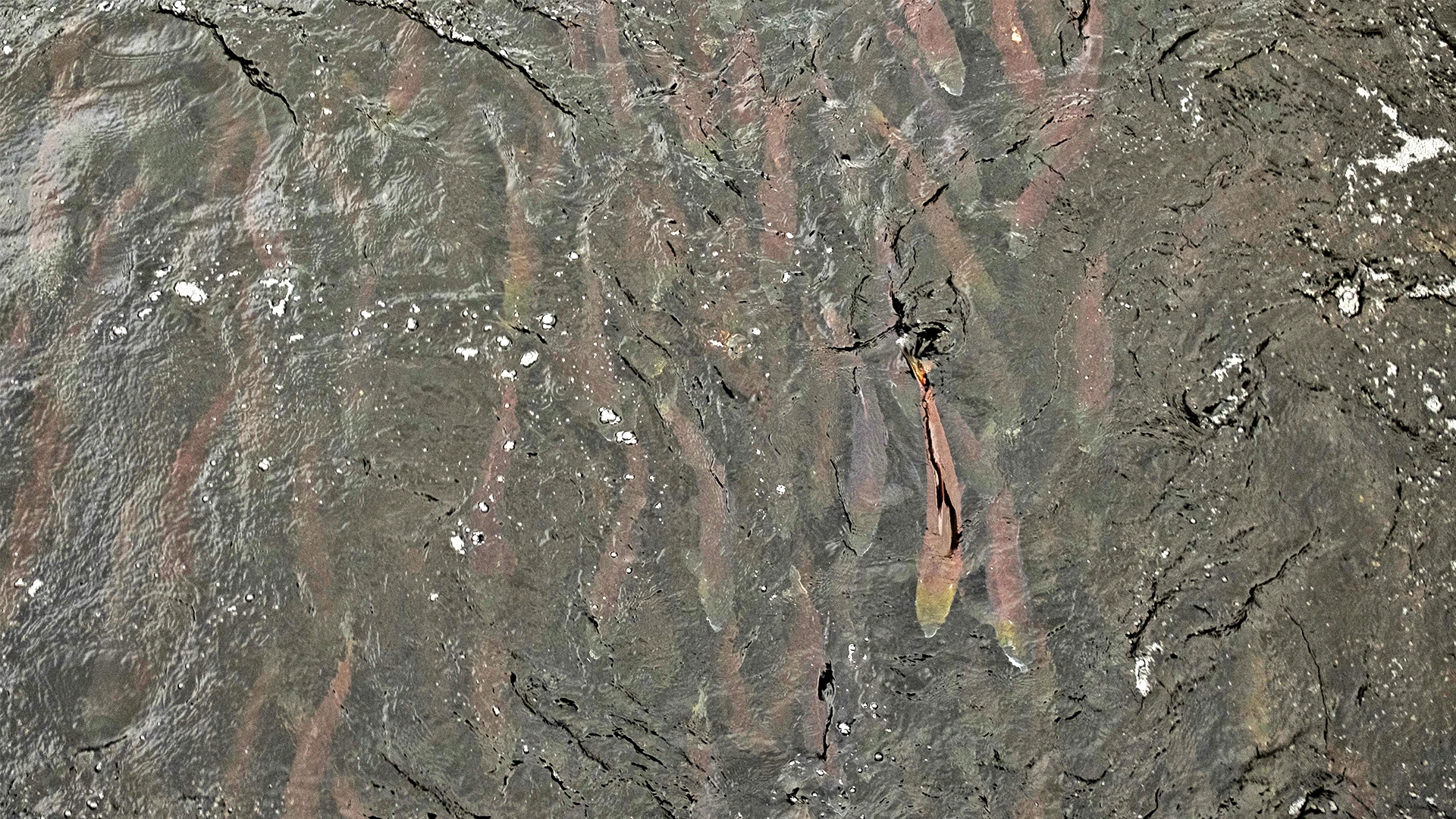
Warming oceans and rivers, habitat loss and other human-induced pressures have placed wild Skeena salmon and steelhead in the crosshairs. These challenging times call on all of us to be part of the solution. SkeenaWild advocates for the development of abundance-based management plans for all species, which clearly identify various levels of fish abundance that must be met before particular fisheries can begin, with the highest priority placed on conservation. This will help clarify the rules and avoid excessive capture. Commercial, recreational and food fisheries in Alaska, the BC North Coast, and Skeena River capture large numbers of salmon. Historically, overfishing diminished many Skeena salmon populations. While fishing pressure has declined recently, climate risks make precautionary fisheries management more important than ever. SkeenaWild continues to call for a precautionary approach to all fisheries unless in-season abundance allows for increased opportunities. As part of our ongoing work, we participate in weekly in-season calls with DFO, and provide feedback on fisheries and monitoring needs of spawning populations. We’re working with our partners to ensure that DFO integrates more ecosystem and climate change assessments into decision-making, and actively implements rebuilding plans for diminished populations.
Skeena Fisheries Updates

What We’re Doing
Communities Working Together
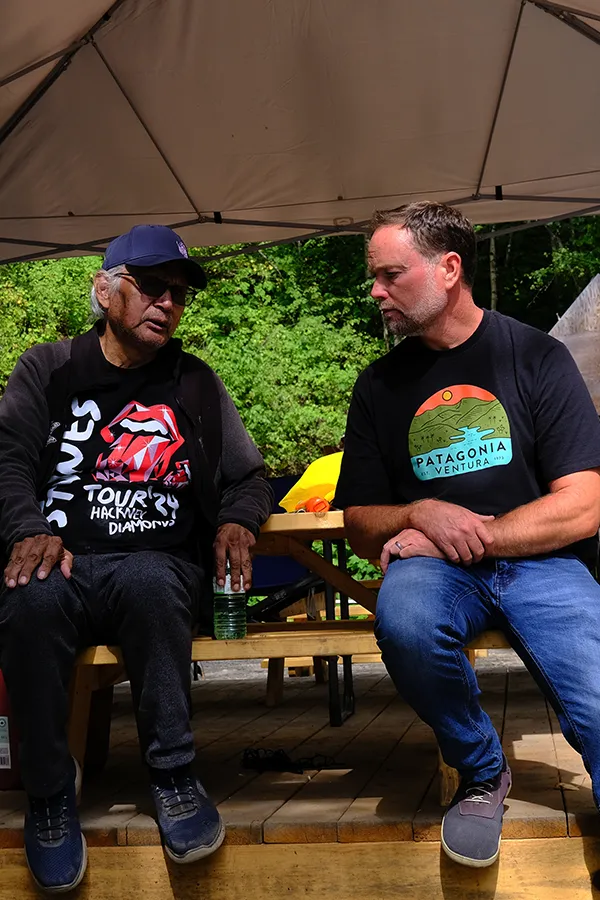
↠ Support our Indigenous partners in rebuilding diminished wild salmon populations.
↠ Participate in the Pacific Salmon Commission and campaign outside the process to reduce Alaskan catch of our salmon.
↠ Participate in the Integrated Harvest Planning Committee, and provide a strong conservation voice in the development of annual fishing plans.
↠ Support selective fisheries that protect vulnerable populations.
↠ Work to protect essential and emerging salmon habitats in the watershed.
↠ Support and undertake rigorous science, monitoring, and informed decision-making.
Selective Fisheries
The future is selective. SkeenaWild is supporting and exploring opportunities to expand selective fisheries in the Skeena Watershed. We have worked for over a decade to help Lake Babine Nation expand commercial sockeye fisheries in Babine Lake. This fishery is now one of the most sustainable fisheries in the world as it completely avoids weak populations and other species of salmon, while providing employment for Indigenous communities. It is also now one of the largest commercial fisheries in British Columbia and is recommended by Ocean Wise.
Alaskan Interception Fisheries
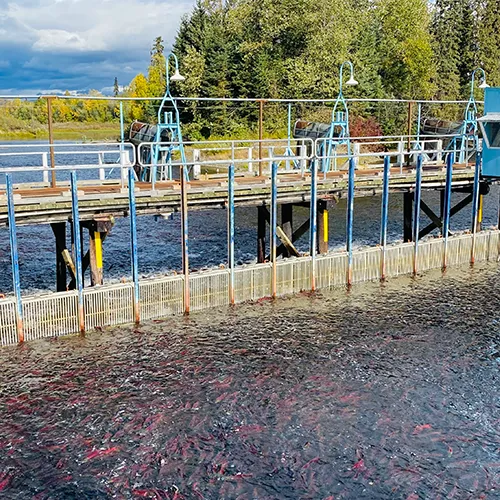
Every year, millions of migrating wild salmon are killed in commercial fisheries in Alaska.
Over the past several years, SkeenaWild has been working with Watershed Watch and other BC and US partners on a major campaign to bring attention to one of the largest threats facing BC salmon. Commercial fisheries in Southeast Alaska catch significant numbers of BC-bound salmon as they are on their homeward migration to spawn. The solution is easy—Alaska needs to move its District 104 interception fisheries off the migration route of BC salmon, to terminal areas where only Alaskan salmon are returning to spawn.
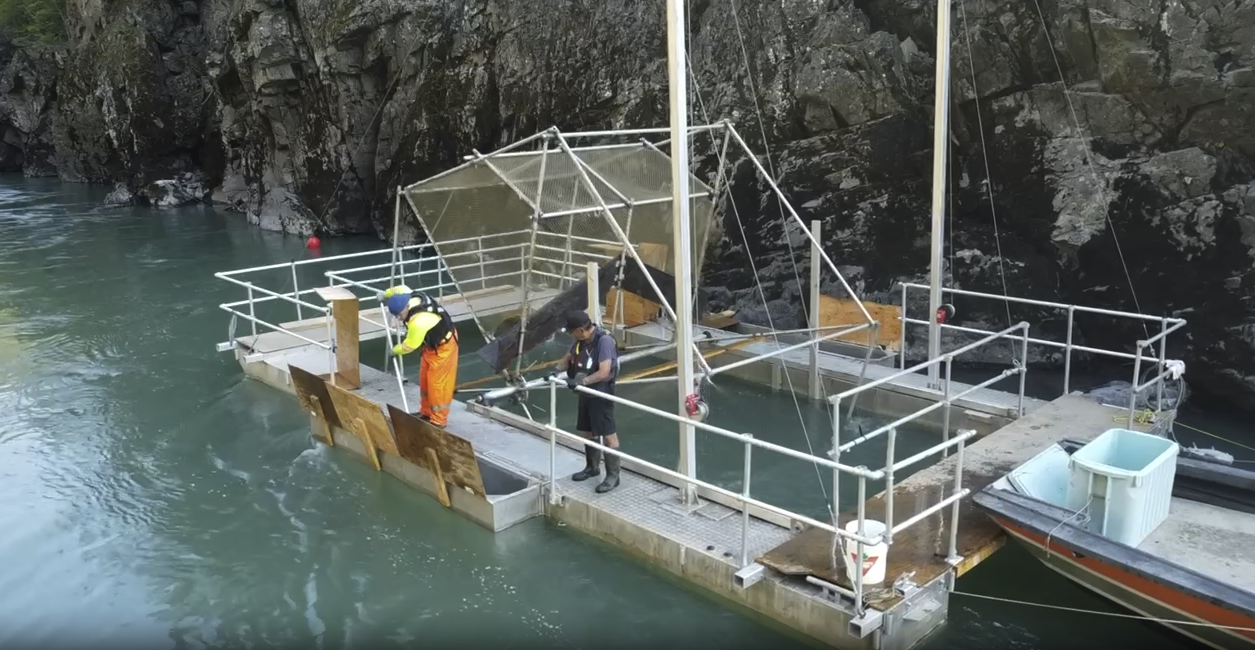
Kitselus Fish Wheel
Supporting First Nation Selective fishing
SkeenaWild is supporting Kitselas K5T’s fishwheel, which is providing food fish for the community and educational opportunities, and other Indigenous pound trap and floating fish trap initiatives in the Skeena estuary and river.
Hatcheries
Skewed Abundance
As the crisis with declining salmon becomes more severe and widespread, governments and fishing interests are looking to spend millions of taxpayer dollars on large-scale artificial salmon hatcheries. While small community hatcheries in the Skeena have minimal impacts and are important for assessment, research and community engagement, large-scale fish hatcheries are a different story. Science has found them to be detrimental to the health of wild salmon, and poor value for money.
The five billion salmon raised and released by artificial hatcheries each year, currently comprise 40% of salmon in the ocean. These genetically-similar hatchery fish are a threat to the diverse and uniquely adapted wild salmon gene pool, principally because they compete with the wild salmon for limited food. Wild salmon are also put at risk when they are caught as bycatch in fisheries targeting hatchery salmon.
Intensifying climate impacts will only make matters worse, leaving us increasingly vulnerable to calls to spend limited resources on a seemingly quick fix. Recognizing this problem, SkeenaWild has been working with a coalition from BC, Washington and Oregon to educate governments and the public on the impacts of large-scale artificial salmon hatcheries on the importance of protecting abundance and genetic diversity of wild salmon stocks.
Topic Resources
54 Degrees North Podcast
54 degrees North documents the science and stories of climate change from local residents in the Smithers region of British Columbia. We’re already facing climate impacts and are warming faster than other regions. We will need to both act and adapt.
Artifishal Patagonia
Patagonia produced a film that takes a deep dive into the impacts large scale fish hatcheries are having on wild Pacific salmon here at home and around the world.
Skeena Salmon and Climate Change
Warming oceans, rivers, lakes, habitat loss and other pressures have Skeena wild salmon and steelhead in the crosshairs.
Summer Series Fisheries Updates
Get the latest fisheries updates in our Summer Series and visit our YouTube Channel.
Canada’s Wild Salmon Policy
Article: An assessment of conservation progress in British Columbia
Read or Download:

Michael H.H. Price, Karl k. English, Andrew G. Rosenberger, Misty MacDuffee, John D. Reynolds (2017)
Ecstall River Update
Alaska’s Dirty Secret Campaign
Other News Related to:
Sustainable Fisheries Management
& Climate Change Solutions
-
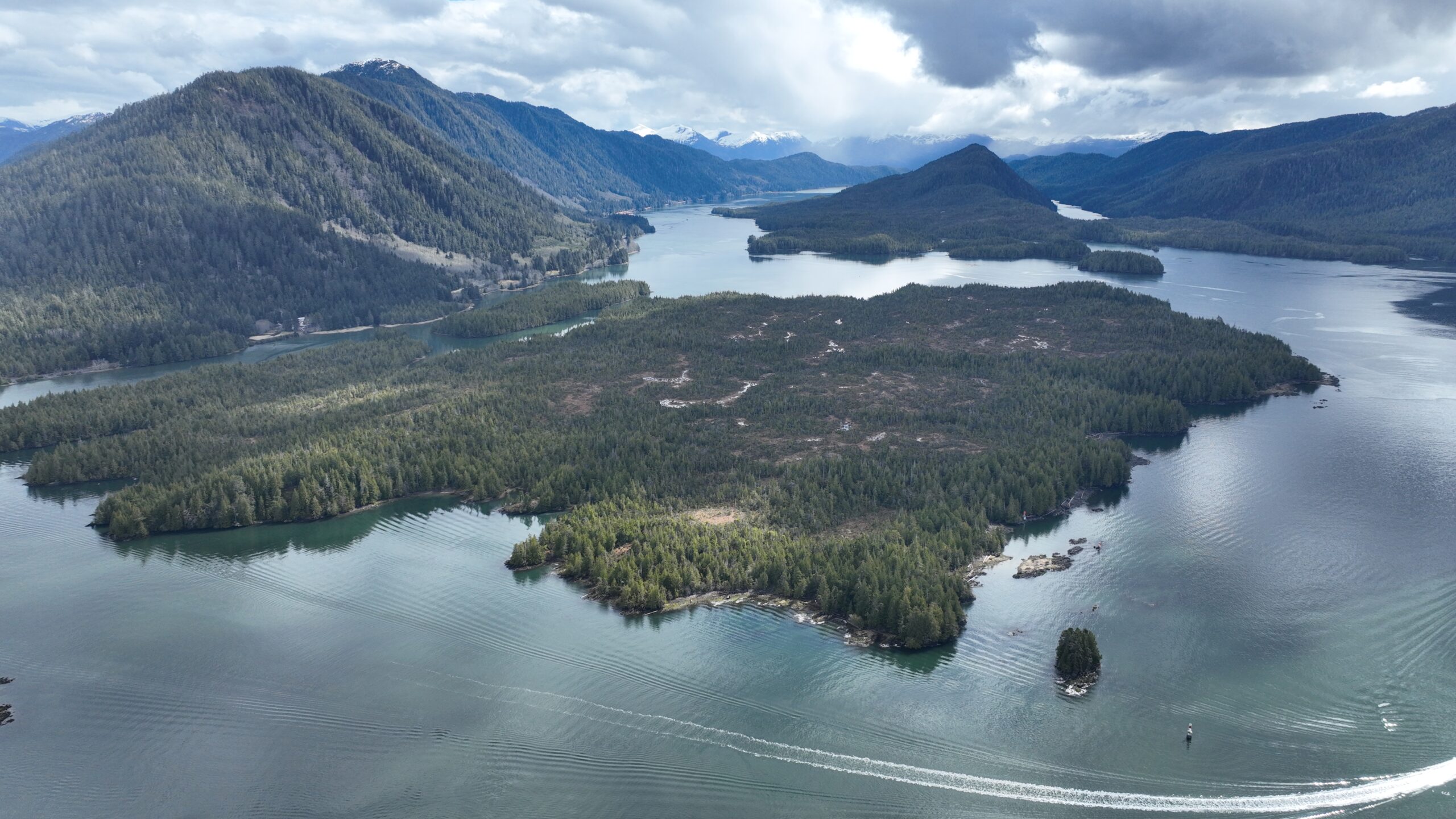
Citizen Letter to an MP — Uphold the North Coast Oil Tanker Moratorium
The North Coast of British Columbia is one of the most ecologically rich, culturally significant, and irreplaceable coastlines in Canada. Our salmon rivers, wildlife, forests,…
-
SkeenaWild warns DFO cuts threaten salmon and communities that depend on them
The federal budget announced yesterday includes $500 million in cuts to Fisheries and Oceans Canada (DFO) over four years. That’s five times deeper than the…
-
Greg Taylor 2024 Salmon Fishery Recap: Part Two
In the second instalment of his annual salmon recap, Greg Taylor dives into the 2024 returns across B.C.’s North and Central Coast. From the Skeena…
-
Greg Taylor 2024 Salmon Fishery Recap: Part One
Greg Taylor 2024 Salmon Fishery Recap: Part One Reflecting on the 2024 Salmon Season Written by Greg Taylor, Fisheries Advisor It is that time of…
-
Citizen Letter to an MP — Uphold the North Coast Oil Tanker Moratorium
The North Coast of British Columbia is one of the most ecologically rich, culturally significant, and irreplaceable coastlines in Canada. Our salmon rivers, wildlife, forests,…
-
SkeenaWild warns DFO cuts threaten salmon and communities that depend on them
The federal budget announced yesterday includes $500 million in cuts to Fisheries and Oceans Canada (DFO) over four years. That’s five times deeper than the…
-
Greg Taylor 2024 Salmon Fishery Recap: Part Two
In the second instalment of his annual salmon recap, Greg Taylor dives into the 2024 returns across B.C.’s North and Central Coast. From the Skeena…
-
Greg Taylor 2024 Salmon Fishery Recap: Part One
Greg Taylor 2024 Salmon Fishery Recap: Part One Reflecting on the 2024 Salmon Season Written by Greg Taylor, Fisheries Advisor It is that time of…