Tag: Sustainable Fisheries Management

Skeena 2024 Pre-Season Conditions and Forecast : How is it Affecting Wild Salmon?
Let’s take a look at what we’re expecting to see with salmon returns to the Skeena this summer. Here we cover pre-season forecasts, as well as some of the marine and freshwater conditions from the past five years that may influence this year’s salmon returns. In general, pre-season forecasting has become less accurate in recent years due to greater environmental variability – which is why we at SkeenaWild continue to advocate for sustainable fisheries with in-season monitoring and adaptability to in-season abundances and conditions.
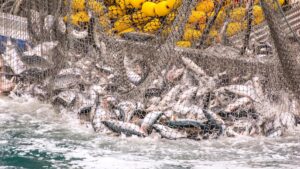
B.C. conservation organizations fight Alaskan salmon “sustainable” certification
British Columbia conservation organizations SkeenaWild Conservation Trust and Raincoast Conservation Foundation, along with Watershed Watch Salmon Society, have filed a formal notice of objection with the U.K.-based Marine Stewardship Council in response to the proposed re-certification of Alaskan salmon fisheries as sustainable.
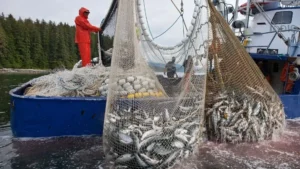
Meanwhile… Alaska is still “steeling” our salmon
While Canadian marine commercial fisheries at the mouth of the Skeena ended on August 3rd in response to a declining in-season return estimate of Skeena sockeye, Southeast Alaskan fishers are in the peak of an aggressive year of harvest – intercepting and killing millions of salmon bound for BC waters.
Thanks to the abundance of pink salmon across the north coast this year, Southeast Alaskan seine fisheries alone have already harvested nearly 14 million salmon – more than double the rate of harvest from this time last year – and the season is not over yet. But it’s not just Alaskan salmon they are harvesting… over 2 million Canadian salmon have likely been intercepted as they try to make their way back home.
Alaskan Fishing Fleet Catching Huge Proportion Of B.C. Salmon: New Report
The report, which includes a detailed analysis on each B.C. salmon species caught in Southeast Alaskan interception fisheries, was commissioned by Watershed Watch Salmon Society and SkeenaWild Conservation Trust and comes as Canada and the United States begin their annual review of bilateral management under the Pacific Salmon Treaty.