Meanwhile… Alaska is still “steeling” our salmon
While many of our fisheries were closed in early August, Southeast Alaskan fishers were at the peak of an aggressive year of harvest – intercepting and killing millions of salmon bound for BC waters.
Pink salmon are abundant across the north coast this season, and Alaskan fishers have been busy – keeping not just pinks but sockeye, coho, and chum as well. Southeast Alaskan seine fisheries alone have already harvested nearly 14 million salmon, which is more than double the harvest rate from this time last year, and the season is not over yet. However, the harvesting isn’t limited to Alaskan salmon alone; over 2 million of those were likely Canadian salmon attempting to make their way home.
And this number doesn’t even account for the mortalities of bycatch species like Chinook and steelhead. In contrast to Canada, Alaskan fishers are not required to report the quantities of bycatch species they catch or have independent fisheries observers onboard, nor are they required to release fish alive and with the least possible harm. Mortality rates of fish released in Alaskan seine and gillnet fisheries far exceed those in Canada, and many of the fish that are “released” back into the ocean are already dead, including endangered Chinook and Skeena steelhead.
Southeast Alaskan fisheries are now the largest exploiters of Skeena steelhead, killing 10-30% of each year’s run before they make it to the Skeena. Amidst another concerning year for steelhead, estimated to be the fourth lowest return on record, Alaskan fishers can toss them overboard, dead, and still be certified as “sustainable” by seafood certification agencies like The Marine Stewardship Council and Ocean Wise.
We believe this needs to change.
How can you help?
Please take a moment to
tell seafood sustainability verifiers that Southeast Alaskan interception fisheries are not sustainable and ask them to revoke these certifications.
Furthermore,
tell Canadian politicians to stand up to Alaska and defend our salmon.
Learn more
Alaska Department of Fish and Game
Learn more
Alaskan Interceptions of BC Salmon: State of Knowledge Report
Follow us on social media to get the latest information.


Other News
-
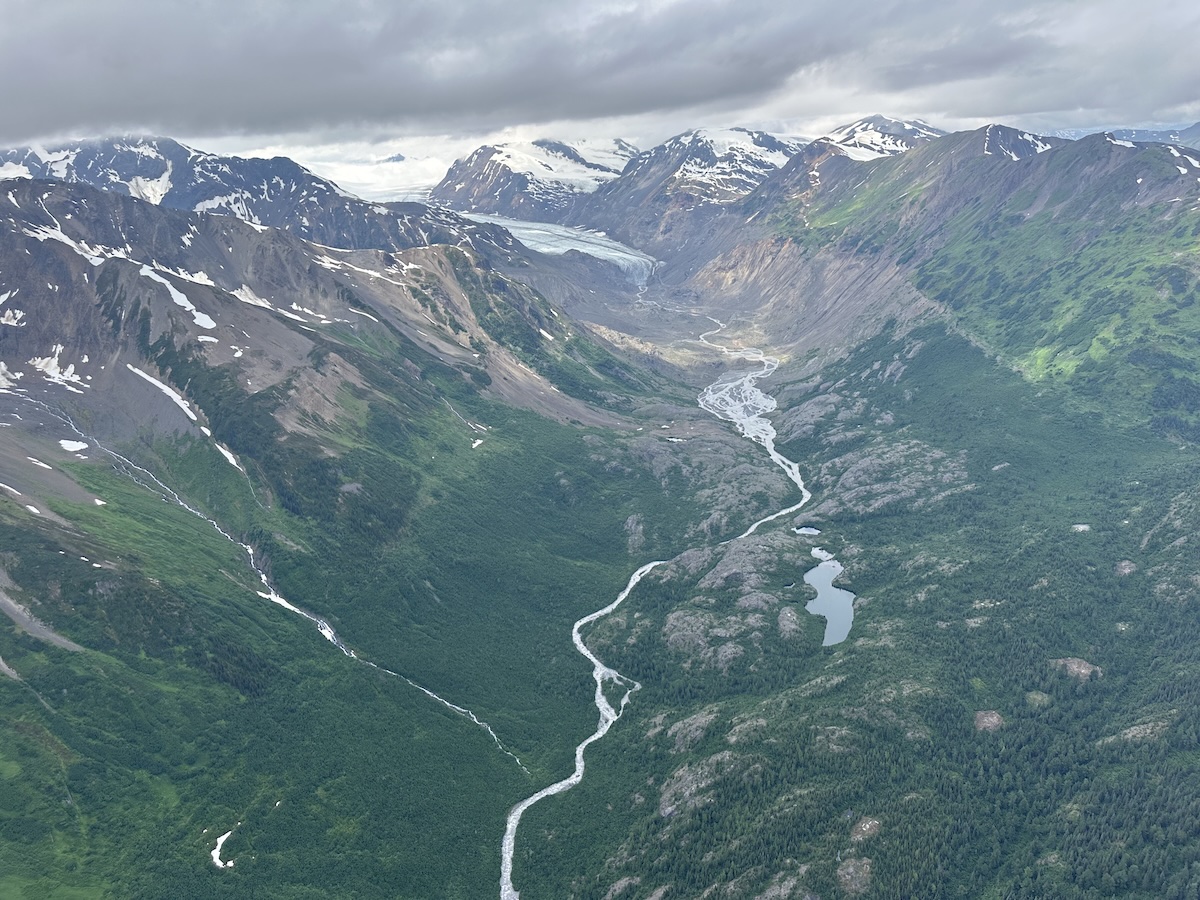
BC Supreme Court strikes down substantial start determination for KSM mine
BC Supreme Court strikes down substantial start determination for KSM mine Province failed to adequately consult First Nation before finding the project substantially started TERRACE, B.C. — On June 8, the British…
-
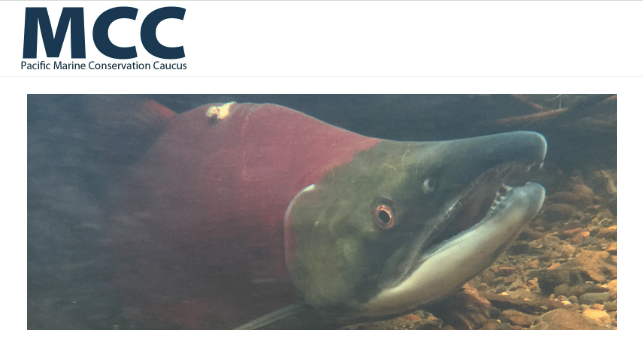
Pacific Marine Conservation Caucus welcomes renewed federal investment in Pacific Salmon, calls for concrete actions to recover salmon populationsPacific
Pacific Marine Conservation Caucus welcomes renewed federal investment in Pacific Salmon, calls for concrete actions to recover salmon populations FOR IMMEDIATE RELEASE April 01, 2026…
-
Pacific Salmon Treaty: conserving salmon while the margins shrink
Pacific Salmon Treaty: conserving salmon while the margins shrink A shorter version of this article by SkeenaWild Assistant Director Nathan Meakes appeared in the February…
-
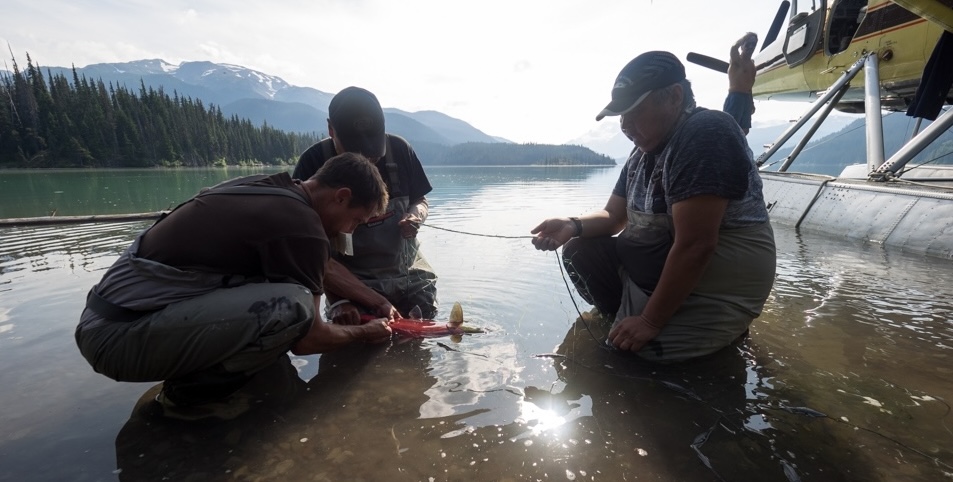
Canada losing track of salmon health as industrial pressures grow
Canada losing track of salmon health as industrial pressures grow New research shows that Canada is steadily losing its ability to monitor the health of…
-
BC Supreme Court strikes down substantial start determination for KSM mine
BC Supreme Court strikes down substantial start determination for KSM mine Province failed to adequately consult First Nation before finding the project substantially started TERRACE, B.C. — On June 8, the British…
-
Pacific Marine Conservation Caucus welcomes renewed federal investment in Pacific Salmon, calls for concrete actions to recover salmon populationsPacific
Pacific Marine Conservation Caucus welcomes renewed federal investment in Pacific Salmon, calls for concrete actions to recover salmon populations FOR IMMEDIATE RELEASE April 01, 2026…
-
Pacific Salmon Treaty: conserving salmon while the margins shrink
Pacific Salmon Treaty: conserving salmon while the margins shrink A shorter version of this article by SkeenaWild Assistant Director Nathan Meakes appeared in the February…
-
Canada losing track of salmon health as industrial pressures grow
Canada losing track of salmon health as industrial pressures grow New research shows that Canada is steadily losing its ability to monitor the health of…