Environmental group in court to challenge substantial start decision of massive KSM mine
Decision allows mega mine to proceed on what group says is an outdated environmental assessment
SkeenaWild Conservation Trust, represented by Ecojustice, is in B.C.’s Supreme Court this week to challenge the Environmental Assessment Office’s (EAO) decision that the proposed Kerr-Sulphurets-Mitchell (KSM) mine is “substantially started.”
If built, the KSM project would be one of the world’s largest gold-copper mines. The project calls for four open pits, two underground mines, and an 8km by 2km tailings lake held back by 700-foot-high dams. These tailings would hold 2.3 billion tonnes of waste—28 times the amount released in the Mount Polley disaster—and would require maintenance for centuries.
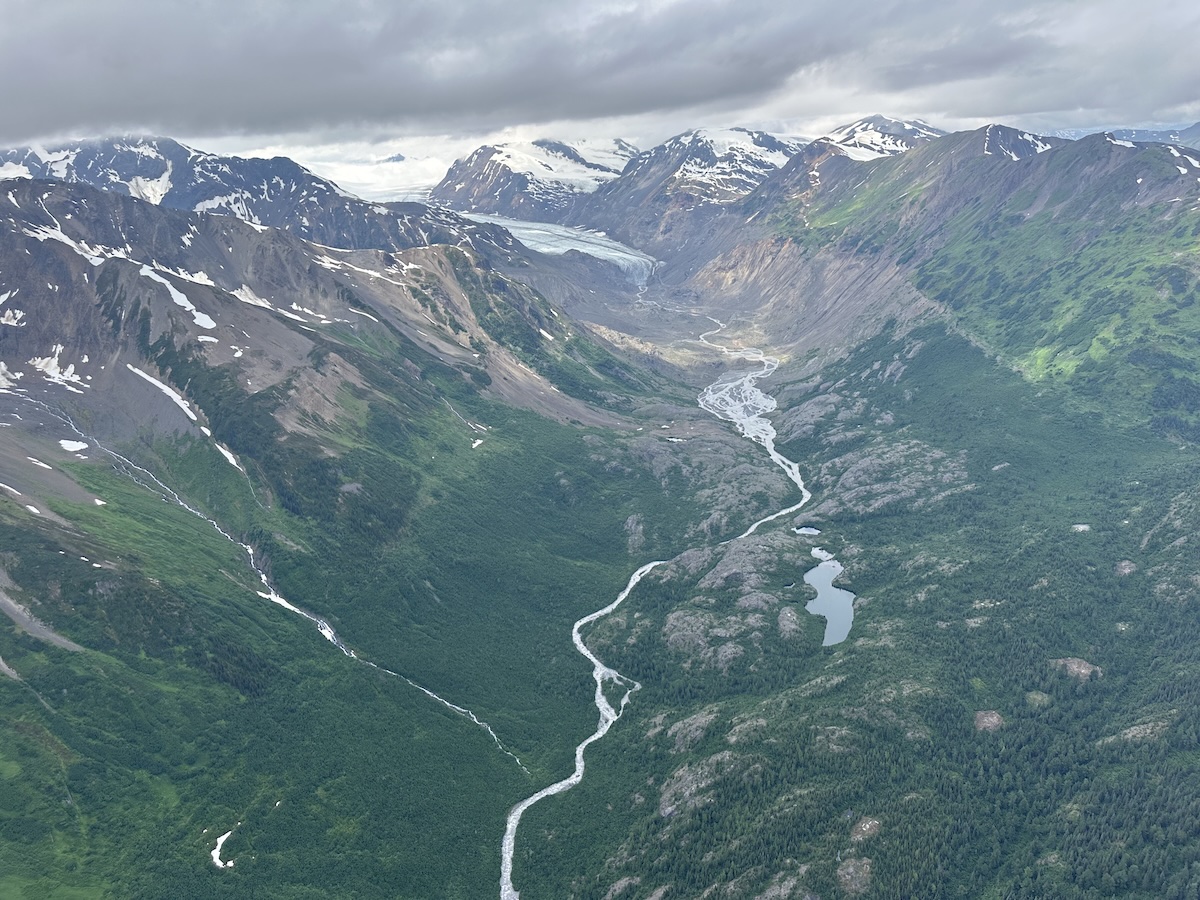
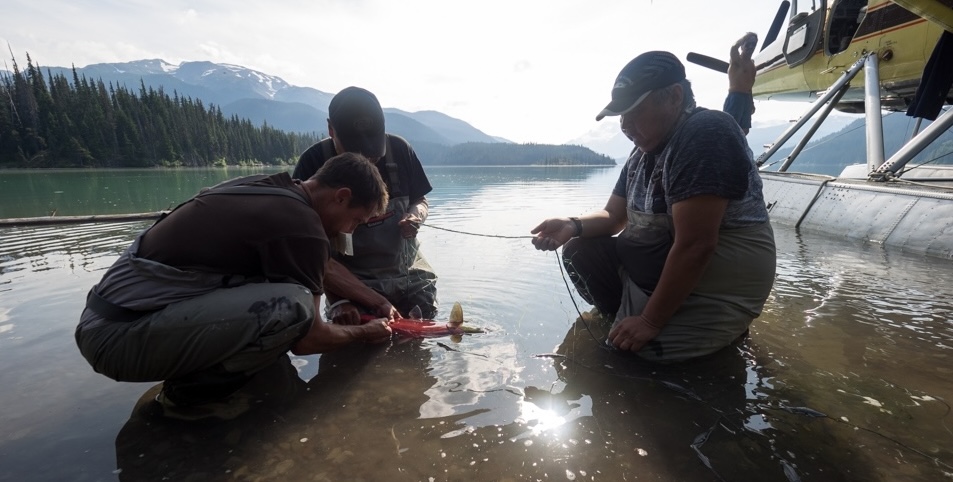
The groups say that the proposed mine threatens the Nass and Unuk rivers, lifelines for Pacific salmon and eulachon that support Indigenous and non-Indigenous communities, cultures, and economies across the region.
“Northern watersheds are some of the world’s last-remaining salmon strongholds; their health is our health. That’s why it’s so important that if massive projects like KSM are approved, they are approved based on current science and for the right reasons” said Adrienne Berchtold, an aquatic biologist and mining researcher at SkeenaWild.
Under provincial law, projects must be substantially started within a set time, or their environmental assessment certificates expire. If this happens, companies must apply for a new environmental assessment using current science and law. The groups say that the KSM assessment is more than a decade old and predates key legal changes, such as the Declaration on the Rights of Indigenous Peoples Act, new Environmental Assessment legislation, as well as new science on tailings risks, climate change and salmon declines.
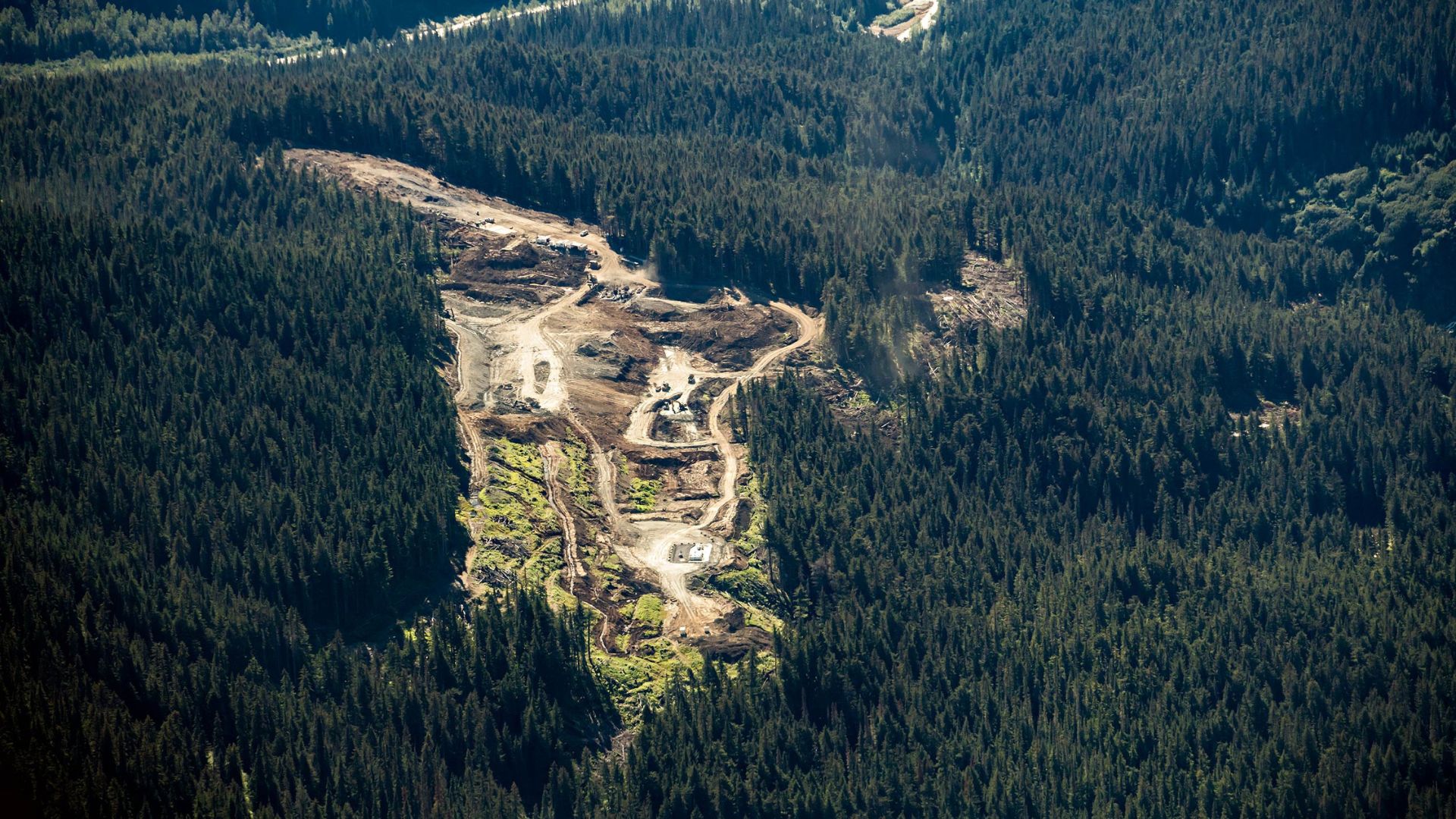



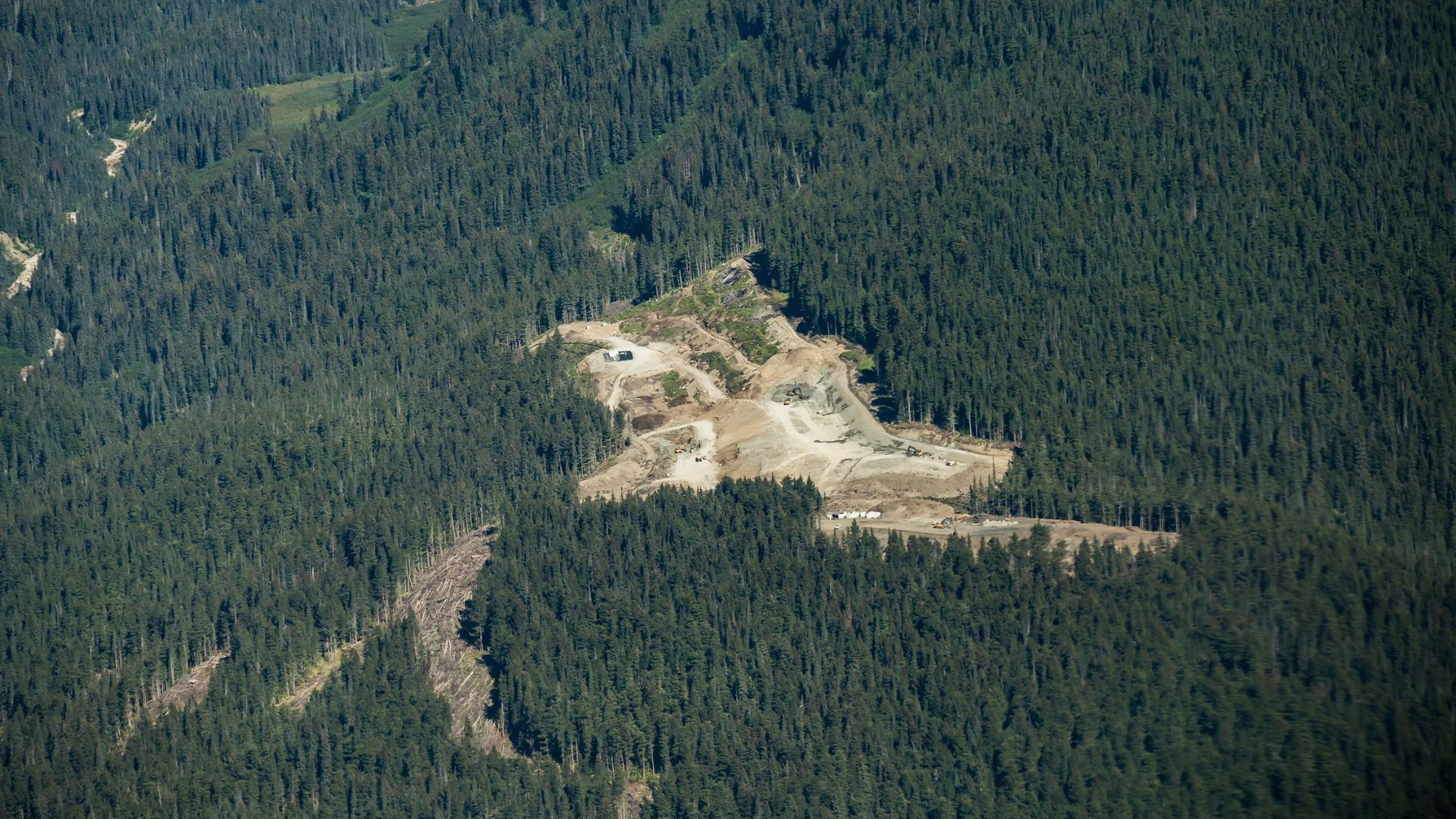
The groups argue that the mine cannot be substantially started as the mining company has completed minimal physical work and that the EAO considered irrelevant information when it decided the project was “substantially started,” including that the decision would support the company’s efforts to obtain funding to fully construct the project.
“There are good reasons why the law in BC includes expiry dates on environmental assessments, including that best available information and the law are continually changing. Our clients believe the EAO’s decision sets a problematic precedent and will allow major resource projects with minimal completed work to proceed on outdated environmental assessments” said Rachel Gutman, lawyer at Ecojustice.
A court victory could set an important precedent informing how substantial start decisions are made for other major resource development projects.
Media contacts:
Adrienne Berchtold, Ecologist and Mining Impacts Researcher, SkeenaWild | 778-887-0634, [email protected]
Shayo Mehta, Communications Strategist, Ecojustice | 604-685-5618, [email protected]
Clarifying Legal Actions
We Address Seabridge Gold’s Misrepresentation of Key Facts
Defending Our Waters from Mining Impacts
Learn how we’re working to hold industries accountable and safeguard salmon watersheds.
Follow us on social media to get the latest information.


Other News
-
BC Supreme Court strikes down substantial start determination for KSM mine
BC Supreme Court strikes down substantial start determination for KSM mine Province failed to adequately consult First Nation before finding the project substantially started TERRACE, B.C. — On June 8, the British…
-
Pacific Marine Conservation Caucus welcomes renewed federal investment in Pacific Salmon, calls for concrete actions to recover salmon populationsPacific
Pacific Marine Conservation Caucus welcomes renewed federal investment in Pacific Salmon, calls for concrete actions to recover salmon populations FOR IMMEDIATE RELEASE April 01, 2026…
-

Pacific Salmon Treaty: conserving salmon while the margins shrink
Pacific Salmon Treaty: conserving salmon while the margins shrink A shorter version of this article by SkeenaWild Assistant Director Nathan Meakes appeared in the February…
-
Canada losing track of salmon health as industrial pressures grow
Canada losing track of salmon health as industrial pressures grow New research shows that Canada is steadily losing its ability to monitor the health of…
-
BC Supreme Court strikes down substantial start determination for KSM mine
BC Supreme Court strikes down substantial start determination for KSM mine Province failed to adequately consult First Nation before finding the project substantially started TERRACE, B.C. — On June 8, the British…
-
Pacific Marine Conservation Caucus welcomes renewed federal investment in Pacific Salmon, calls for concrete actions to recover salmon populationsPacific
Pacific Marine Conservation Caucus welcomes renewed federal investment in Pacific Salmon, calls for concrete actions to recover salmon populations FOR IMMEDIATE RELEASE April 01, 2026…
-
Pacific Salmon Treaty: conserving salmon while the margins shrink
Pacific Salmon Treaty: conserving salmon while the margins shrink A shorter version of this article by SkeenaWild Assistant Director Nathan Meakes appeared in the February…
-
Canada losing track of salmon health as industrial pressures grow
Canada losing track of salmon health as industrial pressures grow New research shows that Canada is steadily losing its ability to monitor the health of…